Teeth Whitening Strips, Gels, Tooth Paste, Lightening, And A Lot More

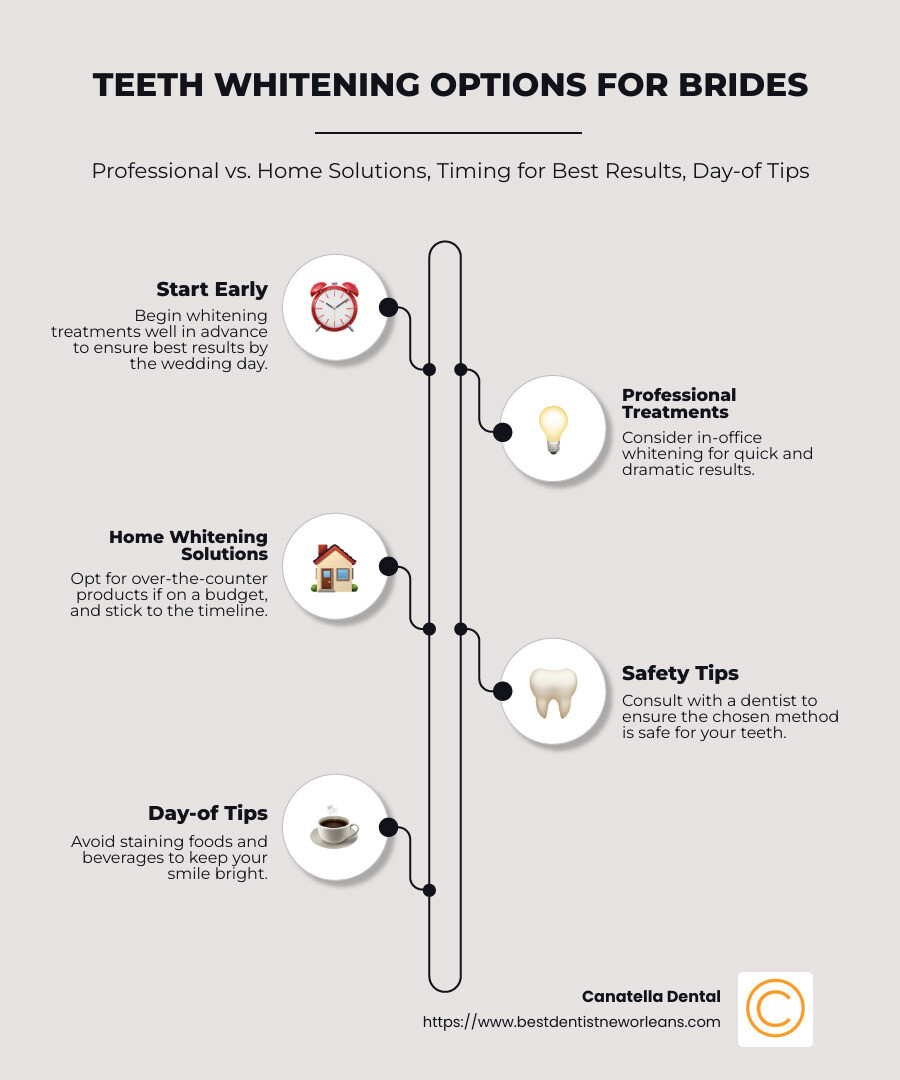
The Pros & Cons Of Teeth Lightening First, avoid taking in any kind of food or beverages that are recognized to trigger staining for at least 2 days after the therapy. This includes coffee, tea, merlot, and dark-colored vegetables and fruits. Using level of sensitivity tooth paste can aid relieve any kind of pain or level of sensitivity in your teeth. The potential negative effects of teeth whitening include teeth level of sensitivity, gum irritability, and ineffective results. This takes place when the lightening representative comes into contact with soft periodontal tissue. Periodontal irritability is much more common with non-customized at-home therapies than professionally tailored and administered therapies. Overuse or incorrect use the product may place you at greater danger for negative effects like gum tissue irritation or tooth sensitivity. Developed by lightening professionals, Colgate ® Optic White ® Pro Collection Lightening Tooth paste has our highest level of hydrogen peroxide (5%) in an over the counter whitening tooth paste. Yes, some all-natural alternatives, such as cooking soft drink and activated charcoal, can aid remove surface spots, however they might not provide as remarkable outcomes as professional whitening. Sometimes, clients experience the formation of white places on their teeth after lightening. This is normally a short-lived negative effects and happens when the lightening agents dehydrate your teeth.
What Are My Whitening Options?
Rather, it is best to check out a specialist for teeth lightening, and the outcomes can last much longer with much less of a risk of negative effects. Consult a dentist if you experience long term pain or unexpected adverse effects after teeth whitening. An expert evaluation can recognize any underlying problems and offer relief. Your dental professional can also advise the very best lightening approach tailored to your teeth and gums. Those with existing sensitivity concerns might experience severe pain during lightening therapies. Researches recommend, too, that whiteners might chemically react to ceramic crowns, sealants and various other dental reconstructions. Teeth whitening is a prominent and extremely reliable way to brighten your smile. Cleaning, flossing, and normal cleansings improve the performance of dental whitening and assistance keep a bright smile. Teeth with existing repairs like crowns or dental fillings may bleach in a different way from natural teeth. This is an essential consideration if you desire an evenly whiter teeth look. All of these techniques intend to improve the appearance of your teeth securely, however each features various teeth whitening results and restrictions. The conflict is mainly because of examine layouts and methodology which are very divergent. The research studies are heterogeneous and the outcomes can not be made use of in a meta-analysis. Several of these studies have actually discovered that hostile lightening treatments can transform the surface integrity, microstructure of enamel crystals, and vulnerability to demineralization.Easy Ways To Keep Natural Brightness
Brand-new researches have actually shown that hostile tooth lightening can trigger increased tooth sensitivity, modifications in tooth microstructure, and reconstruction changes. Aggressive whitening can chemically respond with composite remediations, glass ionomer cements, sealants, and ceramic crowns, hence minimizing their stability. One of the most noticeable benefit of teeth bleaching is the improvement of your smile. Whiter teeth can significantly improve your general appearance, making you look much more younger and dynamic. This can increase your positive self-image and favorably effect your personal and specialist interactions.- Preserving a brilliant, white smile is an objective for many people, but it's important to be aware of the potential adverse effects of teeth lightening.
- This is usually short-lived and subsides once the whitening therapy is ended up.
- With any bleaching item, the danger of side effects additionally increases if you utilize even more of the product than instructed, or leave it for longer than advised.
Does cleaning 2 times a day whiten teeth?
Brushing your teeth will not make them white. Dental professionals suggest brushing your teeth two times or even more day-to-day to eliminate plaque, avoid tooth cavities, and avoid periodontal illness. Nevertheless, routine cleaning or utilizing bleaching tooth paste can not substantially whiten teeth.